
Plan the exhibit before choosing the case
Selecting a museum display case starts with understanding what you will exhibit and how people will interact with it. An object may fit inside a case yet leave too little room for its mount, labels, or careful handling.
For museum staff, collections teams, and exhibit designers, planning these details early helps narrow the options. Tecno Display has manufactured glass display cases in the USA since 1978. For a large exhibit, start with standard models or appropriate modifications and plan for assembled delivery alongside object fit and staff access.
Measure objects and mounts together
Record each object's width, depth, height, and weight in its intended display position. Include the mount, stand, cradle, or mannequin, along with any risers and labels. An open book on a support, for example, needs a different footprint from the same book closed.
Ask for the usable interior dimensions of the proposed case and the clear access opening. Exterior measurements alone do not establish whether a mounted object will fit or pass through the door. Confirm the appropriate load capacity and allow for positioning and removal.
Consider viewing angles and placement
Decide whether visitors will view the exhibit from one side, several sides, or all around. A case against a wall creates different sightlines from a freestanding case in the center of a gallery.
Consider the height of the display surface and the angle of mounts and labels for standing visitors, children, and visitors using wheelchairs. Look for reflections from nearby windows and room lighting. A simple mockup can help you assess whether important details remain visible from the expected viewing positions.
Plan for staff access
Think through how staff will place the largest mounted object inside the case, reach smaller pieces, clean the interior, and operate the locks. Check the space needed to open doors to remove a glass top, including where a removed component can be placed.
Share any handling restrictions and the number of staff available for display changes. The access arrangement should suit the work your team needs to perform without requiring awkward reaches over fragile objects.
Match lighting to the collection
Describe what visitors need to see and identify nearby daylight and gallery lighting. Discuss fixture placement, shadows, reflections, power access, and whether the proposed configuration offers suitable lighting controls.
For light-sensitive objects, have your collections specialist or conservator establish appropriate light levels and exposure durations. LED lighting alone does not establish that a display is suitable for every collection. Confirm the lighting specifications and available options for the exact case being considered.
Allow for changing displays
Explain whether the case will hold a permanent installation or a rotating exhibit. Future objects may need different mounts, arrangements, or access.
If you expect changes, ask which shelving, lighting, or interior features can be adjusted to the proposed model. Confirm any limitations before ordering. Include the practical work of replacing labels and cleaning between exhibits when evaluating the layout.
Define collection specific requirements
Archival planning depends on the materials and conditions of the objects. Paper, photographs, textiles, metals, and mixed-material objects can have different needs. Share any written collection-care standards or lender requirements at the beginning of the project.
Ask your conservator to identify requirements for materials inside the case glazing, seals, environmental conditions, and monitoring. Review the proposed configuration against those requirements. Any archival, conservation-grade, airtight, UV-protective, or climate-controlled designation needs support for the exact case configuration. Confirm suitability before placing sensitive objects on display.
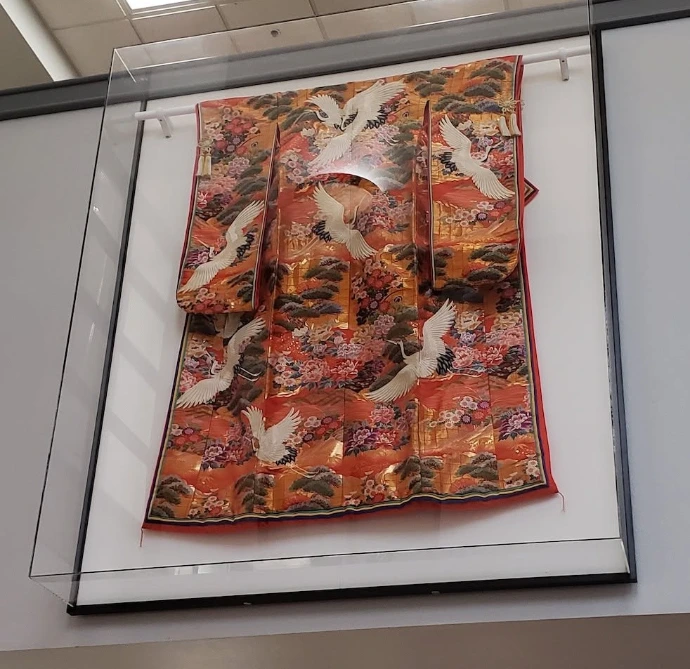
Plan textile displays around the garment’s full dimensions, mounting needs, and collection-care requirements.
Check receiving and building access
Tecno Display cases ship assembled, so plan the route from the receiving area to the exhibit location before ordering. Review both case and crated dimensions against doorways corridors, turns, elevator openings, and elevator capacity.
Confirm which delivery services your quote includes and who will handle unloading, uncrating, moving, and installation. Share access restrictions early, especially in historic buildings or galleries with limited receiving space. Our assembled display case delivery guide covers additional receiving considerations.
Start a useful project conversation
Begin by exploring our museum display cases. A standard model may suit your exhibit, or an appropriate modification may address a particular need. We can discuss feasible options once we understand the objects and the space.
To help us review your project, send:
Object and mount dimensions, weights, and photographs.
The proposed case location, available space, and viewing directions.
Staff access needs, display-change plans, and lighting requirements.
Written collection-care or lender requirements.
Receiving restrictions, case quantity, budget range, and target exhibit date.
Tecno Display has manufactured glass display cases in the USA since 1978. Request a quote and share your project details so we can begin reviewing suitable models and configurations.
Phone: (800) 255-3536 | Email: tecno@tecnodisplay.com